Black History Month 3D Foil Patterns: Elevating Creativity and Purpose in Design
Understanding the Value of Black History Month 3D Foil Patterns
As professionals, educators, and creators, we often seek tools that not only enhance our work but also align with our values. Black History Month 3D Foil Patterns offer a unique opportunity to celebrate heritage, elevate visual projects, and connect with audiences on a meaningful level. These patterns are more than just decorative elements—they serve as intentional design choices that can support strategic communication, branding, and engagement.
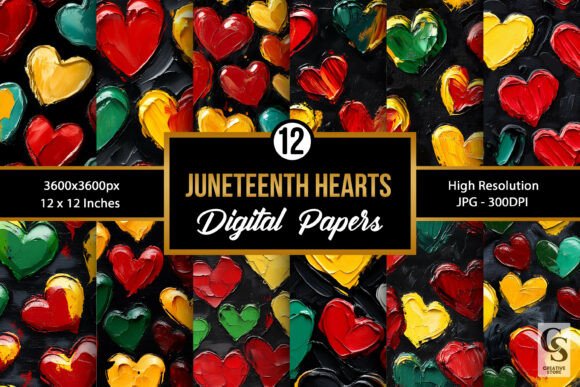
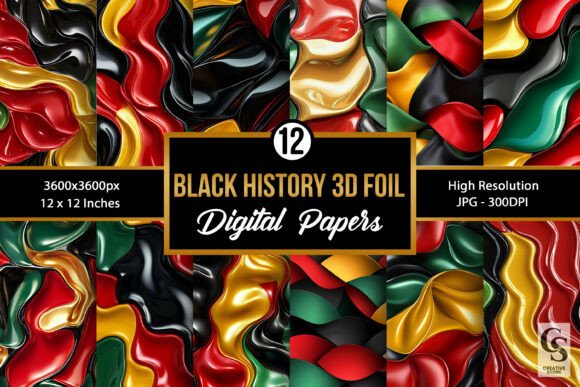
Designed using AI software and refined for artistic integrity, these high-resolution digital papers (300dpi, JPG format at 3600 x 3600 pixels or 12" x 12") provide a rich, dimensional texture ideal for print and digital applications. The seamless nature of each pattern ensures flexibility, while the vibrant foil finish adds depth and sophistication to any project.
Strategic Use Cases for Black History Month 3D Foil Patterns
Integrating Black History Month 3D Foil Patterns into your creative workflow can yield multiple benefits across various industries and personal projects. Here’s how they might be used strategically:
- Marketing and Branding: Use them in promotional materials, social media graphics, or product packaging during February to reflect inclusivity and cultural awareness. This subtle yet powerful choice can resonate with diverse customer bases and strengthen brand identity.
- Education and Publishing: Educators and publishers can incorporate these patterns into lesson plans, books, or classroom decorations to create an engaging learning environment. Visual appeal enhances retention and makes educational content more approachable.
- Event Planning: Whether it's for invitations, banners, or signage, these designs help set the tone for events celebrating Black history and culture. They add a professional touch while reinforcing the significance of the occasion.
- Craft and DIY Projects: From tumbler wraps to notebook covers, the patterns provide a premium aesthetic that can transform everyday items into standout pieces. Their versatility supports both personal creativity and commercial craft sales.
Planning Thoughtfully with Digital Patterns
To maximize the impact of Black History Month 3D Foil Patterns, thoughtful planning is essential. Begin by defining your goals—whether you're aiming to educate, inspire, or sell. Once you have a clear purpose, consider the context in which the patterns will be used. Will they appear in print? On screens? In physical spaces?
Here are some practical tips for planning:
- Align with Themes: Ensure the selected patterns complement the message or theme of your project. For instance, if you're highlighting achievements in civil rights, choose imagery that reflects strength and resilience.
- Match Your Audience: Consider who you’re designing for. If your audience includes children, opt for softer tones and more accessible symbols. For professionals or collectors, bold and intricate designs may be more appropriate.
- Balance Aesthetics and Legibility: When using these patterns as backgrounds, avoid overwhelming text or visuals. Let the foil details enhance rather than distract from the core content.
When to Leverage These Designs
Timing plays a crucial role in the effectiveness of Black History Month 3D Foil Patterns. While their relevance is most prominent during February, there are opportunities to use them year-round in ways that maintain authenticity and avoid tokenism:
- February Campaigns: Ideal for themed promotions, blog posts, or educational resources aligned with Black History Month.
- Year-Round Branding: Incorporate them subtly into ongoing projects that emphasize diversity, equity, and inclusion, such as newsletters, annual reports, or community initiatives.
- Collaborative Projects: Partner with Black-owned businesses, artists, or organizations to co-create content that honors cultural narratives throughout the year.
Avoid using these patterns haphazardly outside of relevant contexts. Random deployment can dilute their meaning and reduce the perceived sincerity of your efforts.
Risks and Considerations Before Implementation
While Black History Month 3D Foil Patterns are visually compelling, their use must be grounded in intentionality. One common risk is relying on them without a clear narrative or purpose. This can lead to superficial representation that fails to engage or inform the audience.
Consider the following before implementing these designs:
- Is There a Strategic Narrative? Ask yourself whether the pattern contributes to a larger story about Black history, innovation, or contribution.
- Are You Amplifying Voices? Pair the use of these patterns with content created by or featuring Black voices to ensure authenticity and respect.
- Do You Understand the Symbolism? Familiarize yourself with the historical or cultural references embedded in the designs to avoid misinterpretation or appropriation.
By addressing these questions upfront, you position yourself to use these patterns in a way that honors their significance and strengthens your overall messaging.
How to Approach Integration with Purpose
The key to successful integration lies in combining technical skill with cultural sensitivity. Here’s a step-by-step approach to thoughtfully applying Black History Month 3D Foil Patterns:
- Select the Right Pattern: Choose one that matches your project’s tone and purpose. Each of the 12 included designs offers a different vibe—from traditional motifs to modern abstract art.
- Test in Context: Apply the pattern to a mock-up or sample design before finalizing. Observe how it interacts with other elements like text, logos, or photographs.
- Pair with Authentic Content: Whether it's a greeting card or a marketing campaign, ensure the message behind the design is equally strong and respectful.
- Seek Feedback: Share drafts with colleagues, especially those familiar with Black history or culture, to validate your approach and make necessary adjustments.
This structured method helps prevent the misuse of culturally significant assets and ensures your creative output remains both impactful and inclusive.
Long-Term Benefits and Creative Potential
Beyond immediate application, Black History Month 3D Foil Patterns can become part of a broader creative toolkit. Their high-quality resolution and seamless layout mean they can be reused, recombined, or repurposed across platforms and formats. For marketers and entrepreneurs, this scalability is invaluable—it allows for consistent branding while adapting to different needs.
For example, a small business owner could use one pattern as a background for a website banner, another as a gift wrap template for online orders, and a third as a wallpaper option for branded notebooks. This multi-use strategy maximizes return on investment and keeps the brand's visual language fresh and relevant.
Realistic Applications and Decision-Making Guidance
Let’s explore some realistic use cases where these patterns can make a difference:
- Invitations: A wedding planner might use a subtle foil pattern to highlight a couple’s commitment to diversity and shared values.
- Scrapbook Decorations: Personal or family historians can integrate these patterns into scrapbooks to honor ancestors and cultural roots with elegance.
- Wall Art: Interior designers can suggest these patterns as part of a curated space that celebrates cultural richness and storytelling.
- Stationery Lines: Freelancers selling custom stationery can differentiate their offerings by including these patterns in their portfolio, appealing to clients who value meaningful design.
In all these scenarios, the decision to use Black History Month 3D Foil Patterns should be informed by audience expectations, brand values, and project objectives. Avoid impulse decisions; instead, evaluate how the pattern supports the overall experience you want to create.
Enhancing Productivity and Learning Through Intentional Design
Designers and creatives often juggle multiple projects with tight deadlines. Using pre-made digital assets like these 3D foil patterns can streamline workflows without sacrificing quality. However, it's important to balance efficiency with depth of understanding.
Here’s how to maintain both:
- Batch Editing: Apply patterns across several projects simultaneously to save time while ensuring consistency in style and messaging.
- Curated Collections: Organize the 12 digital papers into thematic folders based on use case or mood. This helps with quick retrieval and reduces decision fatigue.
- Continuous Learning: Use the month as an opportunity to deepen your knowledge of Black history and its representation in design. This enriches your creative process and informs better choices.
By treating these patterns as part of a larger educational journey, you gain long-term insight that improves not just your current projects, but your future work as well.
Final Thoughts on Strategic Application
The Black History Month 3D Foil Patterns included in this collection are more than just design elements—they are tools for connection, storytelling, and expression. When used intentionally, they can amplify your message, elevate your brand, and foster deeper engagement with your audience.
Whether you're a marketer looking to build trust through inclusive visuals, an educator aiming to inspire students with rich symbolism, or a hobbyist eager to infuse your crafts with purpose, these patterns provide a foundation for meaningful creation. The secret lies not in the patterns themselves, but in how you apply them with clarity, care, and creativity.