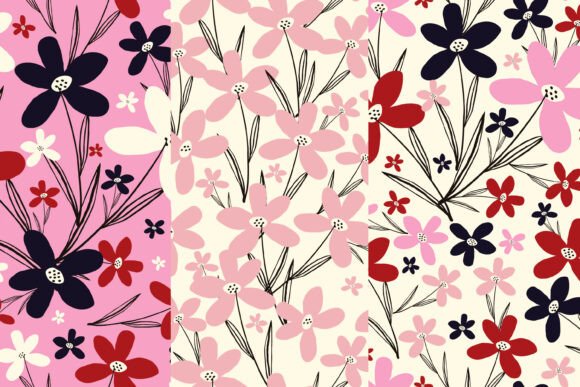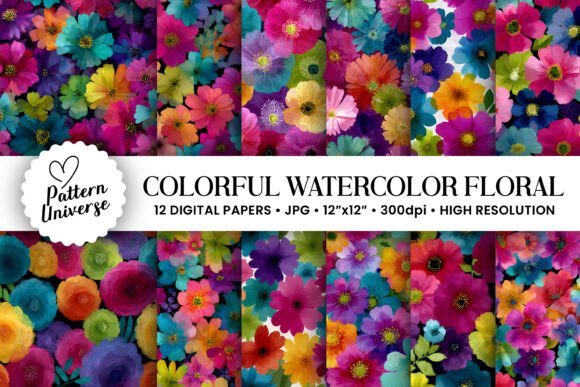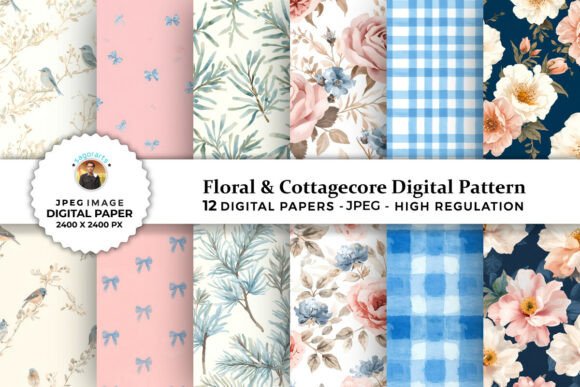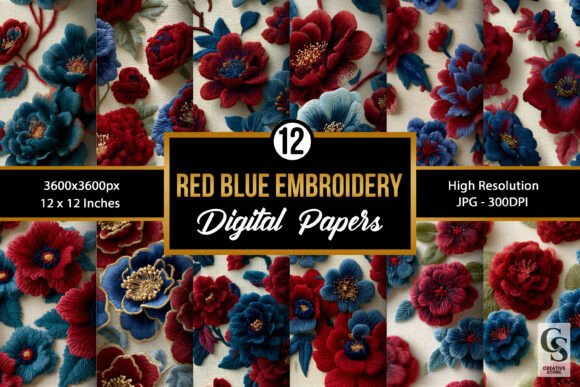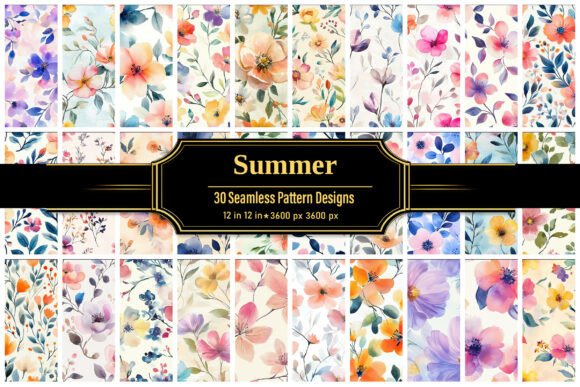
Hand Painted Watercolor Floral Patterns
Hand Painted Watercolor Floral Patterns offer a unique and versatile resource for creators, designers, and small business owners looking to add a touch of nature and vibrancy to their projects. These patterns are ideal for those who want to infuse their work with soft, organic beauty while maintaining a professional and cohesive aesthetic. Whether you're working on print materials, digital designs, or product packaging, these watercolor floral patterns can seamlessly integrate into your workflow.
Understanding the Role of Hand Painted Watercolor Floral Patterns
Hand Painted Watercolor Floral Patterns serve as a foundational element in many creative processes. They can be used as background elements, decorative accents, or central design features depending on the project's needs. Their seamless nature allows for easy repetition, making them suitable for both large-scale prints and smaller digital assets. This flexibility makes them a valuable addition to any designer’s toolkit, especially when working on projects that require consistent visual themes.
These patterns are particularly useful during the planning phase of a project. By selecting the right floral design, you can set the tone for the entire piece, ensuring that all elements align with the intended mood and style. For instance, if you're designing a summer-themed invitation or a fabric pattern, choosing the appropriate watercolor flowers can help establish a clear visual identity early in the process.
How to Use Hand Painted Watercolor Floral Patterns in Your Workflow
Integrating Hand Painted Watercolor Floral Patterns into your workflow can be done at multiple stages. Before starting a project, you might use these patterns to inspire color schemes, texture choices, or layout ideas. During the execution phase, they can be layered over other design elements to add depth and interest. After the project is complete, they can be used for quality control checks to ensure consistency across different design assets.
One practical approach is to use these patterns as a base layer in digital design software like Adobe Photoshop or Illustrator. By adjusting the opacity and blending modes, you can create subtle backgrounds that enhance the overall composition without overwhelming the primary content. This technique is especially effective for creating website backgrounds, social media posts, or marketing materials that need to stand out while maintaining a clean look.
Workflow Examples and Practical Tips
For scrapbookers, Hand Painted Watercolor Floral Patterns can be used to create visually appealing pages that reflect a natural, handmade feel. You can print the patterns on high-quality paper and layer them with photos, journaling, and other embellishments. This method not only adds visual interest but also helps maintain a cohesive theme throughout the album.
Fabric designers can take advantage of these patterns by using them as the foundation for textile prints. When working with digital printing tools, it's important to ensure that the resolution and file format match the requirements of the printer. The high-resolution JPG files included in the collection make it easy to prepare for both digital and physical production.
Invitation and stationery designers can incorporate these patterns into their layouts to add a touch of elegance and warmth. By combining the watercolor flowers with elegant fonts and minimal text, you can create designs that feel both sophisticated and inviting. This approach works well for weddings, events, and personal correspondence where a personalized touch is essential.
Compatibility and Organization
When working with Hand Painted Watercolor Floral Patterns, it's important to consider how they will fit into your existing design systems and asset libraries. Organizing the patterns in a clear and accessible manner can save time and reduce frustration during the design process. Consider creating a dedicated folder for these files, and label them with relevant keywords such as "summer," "floral," or "watercolor" to make them easier to find later.
Additionally, ensuring that the patterns are compatible with your design software is crucial. Most modern design tools support high-resolution JPG files, but it's always a good idea to check the specifications before importing them into your project. This step can prevent issues related to file size, resolution, or compatibility that could affect the final output.
Quality Control and Long-Term Use
Maintaining a high standard of quality is essential when using Hand Painted Watercolor Floral Patterns. Before incorporating them into a project, review each pattern to ensure that it meets your expectations in terms of color accuracy, clarity, and overall aesthetic. This step can help avoid inconsistencies that might arise from using low-quality or improperly formatted files.
For long-term use, it's advisable to back up your design assets regularly. Storing copies of the patterns in cloud-based storage solutions or external drives can protect against data loss and ensure that you have access to them whenever needed. This practice is especially important for professionals who rely on these assets for recurring projects or client work.
Conclusion: Enhancing Your Creative Process
Hand Painted Watercolor Floral Patterns provide a powerful tool for enhancing the visual appeal of your work. By understanding how to integrate them into your workflow, you can unlock new creative possibilities and elevate the quality of your designs. Whether you're working on a personal project or a professional assignment, these patterns offer a flexible and reliable solution that can adapt to a wide range of applications.
As you explore the potential of these floral designs, remember to focus on how they can support your specific goals and needs. With careful planning, organization, and attention to detail, you can make the most of this resource and create stunning, cohesive designs that resonate with your audience.